
Breaking the Stigma Around Psychiatric Medication (Mental Health Awareness Month)
May is Mental Health Awareness Month, which aims to raise awareness of mental health conditions. This movement helps to reduce stigmas that people hold towards people struggling with their mental health. Mental Health Awareness Month also tries to educate people on what mental health conditions are and what treatment is available for them. This includes psychiatric medication that is used to treat a variety of mental health conditions. Many people feel shame or hesitation in taking psychiatric medication due to negative beliefs they’ve been told or internalized about it. Psychiatric medication is an evidence-based way to treat mental health conditions such as anxiety and depression. The more that people can educate themselves about the benefits and symptoms of psychiatric medication, the more people can have access to care that can help improve their mental health.
Understanding Psychiatric Medication
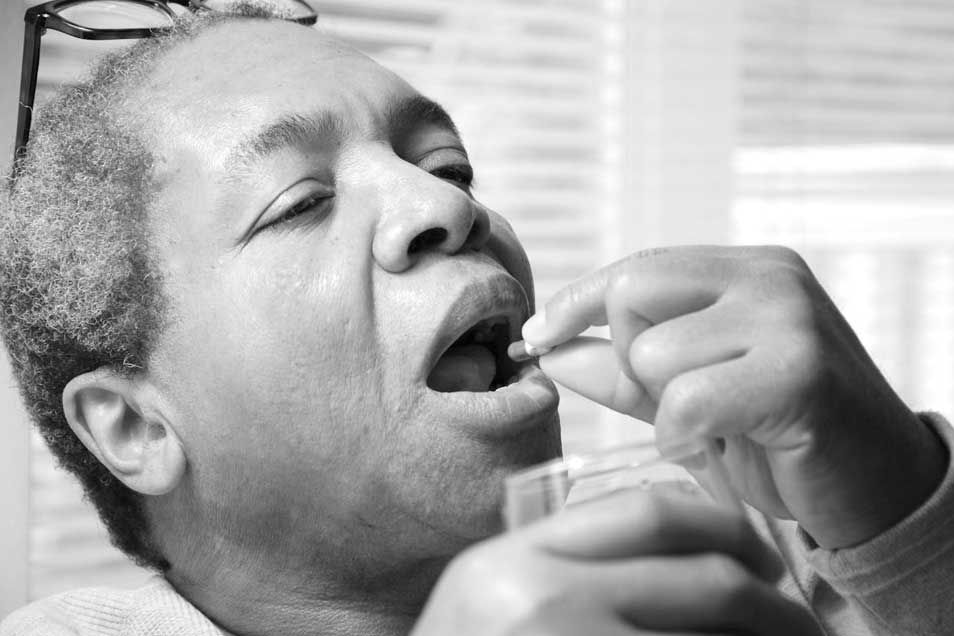
Mental health medications are used to help treat mental health conditions and their symptoms. These medications are typically used to target specific transmitters in the brain, such as serotonin and dopamine. The most common categories of psychiatric medications are antidepressants, anti-anxiety medications, antipsychotics, and mood stabilizers. These medications help to manage and improve symptoms of mental health disorders. Licensed psychiatric professionals prescribe psychiatric medications. Mental health medications are typically not the only form of treatment. Medication is often used in combination with therapy or other treatment interventions.
What Is Medication Stigma?
A stigma is a negative belief or stereotype that people hold about a group or situation. Stigmas are usually not based on factual information. Rather, stigmas are beliefs that people have adopted and are unwilling to look past. Unfortunately, there is a stigma for people using medication for mental health. Some people believe taking medication is weak or that medication will change their personality. People also worry that they will become dependent on medications and have to be on them for the remainder of their lives. These generalizations are not based on fact. Everyone’s journey with medication is different and unique to them. There is no difference in someone taking medication for a physical ailment or a mental health concern. It’s hard to pinpoint exactly where these stigmas were created. However, it’s possible that these stigmas were created due to the lack of education surrounding mental health treatment and cultural beliefs. The stigmas against mental health medications can be incredibly damaging because they can prevent people from getting the treatment that might help save their lives.
How Psychiatry Helps Mental Health
Psychiatric medicine has helped change the way that people recover from mental health conditions. These medications can help people achieve symptom relief in a way that allows them to work through the deeper issues they struggle with in therapy. Without this intervention, patients might be too overwhelmed by their symptoms to work through some of the deeper-rooted issues in therapy. Mental health medications also help to improve daily functioning and help people complete their daily tasks more efficiently. It’s important to remember that medication is a tool that can be used to help make treatment more achievable. There is nothing shameful or wrong about taking mental health medications. These medications are just as valid to use as medications for physical health concerns.
Common Medication Fears
As we mentioned previously, there are some common fears that people hold towards mental health medications. We understand that starting medications can be scary. These fears help strengthen stigmas and make it less likely that people will be able to benefit from these medications.
- Stigmas: Unfortunately, one of the biggest reasons that people do not start taking psychiatric medication is due to the stigmas that either they hold or others around them hold. That is why it’s so important to bring awareness to these stigmas and help fight them. Doing so can be the difference between someone suffering in silence and receiving life-saving help.
- Dependence: A common fear about starting mental health medications is becoming dependent on them. Most of the medications that are used for mental health recovery are not habit-forming. Working with a licensed mental health professional will ensure that patients receive all of the information regarding whatever medication they decide to start. Professionals are skilled in medication management and can help find the best fit for each patient.
- Side Effects: Another common fear is the side effects that come with psychiatric medications. Everyone’s body responds differently to medications and will likely experience different side effects. Oftentimes, when trying to find the best medication fit, psychiatrists will have to try different medications to find one with the least amount of side effects.
- Personality Changes: People often fear that medication will change their personality. This is not the case. Mental health medications can provide relief, but it’s typically much more gradual. These medications do not change a person’s personality; they help to minimize some of the negative effects of their mental health condition.
- Long-term Use: Some people also fear that if they start taking a medication, they will have to take it for the rest of their lives. This is not always the case. Some people benefit from using medication long-term, but this is a decision that is made with the patient and psychiatrist.
Breaking the Stigma: How to Help
Even if you personally do not struggle with mental health or need mental health medication, there are still ways you can help fight the stigmas against it. May is Mental Health Awareness month, and it is a great time to spread awareness for mental health conditions and the ways that they can be treated. People can help fight the stigma by participating in awareness campaigns and having open conversations about mental health. It’s also important for people to educate themselves on what mental health conditions are and what they are not. This can help to stop the spread of misinformation or unqualified advice. Mental health awareness is about educating the public about mental health, clearing up misconceptions, and helping people struggling to feel less alone.
Mental health treatment is unique and customized to the person going through it. This is the same for people seeking psychiatric medication as a part of their treatment. Taking medications for mental health concerns is just as valid as taking them for physical concerns. Psychiatry is a field that is ever-changing and always looking for more treatments and research. Fighting stigmas and spreading awareness for mental health treatment can be life-saving for people struggling with their mental health. We want to remind anyone reading this that recovery is possible and treatment is available. We understand that people may hold preconceived fears or stigmas against mental health medications, but we also know how helpful these medications can be for people struggling. Even though it doesn’t always feel like it, reaching out for help is the strongest thing you can do.
If you or someone you love is interested in working with us, help is available. Reach out to us today if you are ready to start.
References
https://pmc.ncbi.nlm.nih.gov/articles/PMC11804130/
https://pmc.ncbi.nlm.nih.gov/articles/PMC11807967/
https://pmc.ncbi.nlm.nih.gov/articles/PMC8628466/
https://pmc.ncbi.nlm.nih.gov/articles/PMC7392659/
https://www.psychiatry.org/patients-families/what-is-psychiatry
Keywords: psychiatry, mental health medication, antidepressants, mental health awareness, medication management