

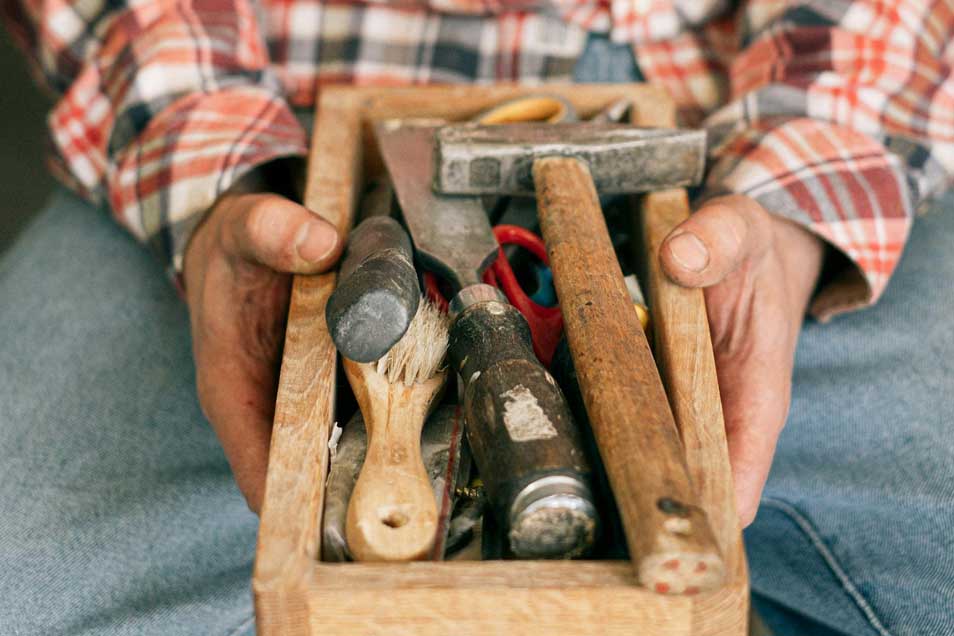
How to Create a “Coping Toolbox” for Challenging Moments
Coping tools are any skills that can be used for emotional regulation, decreased stress, and overall improved mental health. Creating a toolbox with coping skills can be an effective way to help manage difficult or stressful situations. It can be helpful to develop a coping toolbox to have prepared before a difficult situation comes up. If you are having a hard time managing stressful situations or difficult emotions, this might be a sign that a coping toolbox could make a difference in your life.
What Is a Coping Toolbox?
A coping toolbox is any set of tools that helps us be prepared or better equipped to handle difficult moments. Having tools prepared helps improve emotional regulation during stressful moments that might come up. Having a coping tool box helps to provide stress relief when people are dealing with challenging moments. Having these coping skills prepared ahead of time helps with decision fatigue.
Types of Coping Tools
- Grounding Techniques: Grounding techniques are any techniques or skills that are used to help relieve stress or anxiety. These include breathing exercises or exercises that use temperature changes. These techniques help support emotional regulation because they can help decrease overwhelming feelings when they arise.
- Sensory Changes: Techniques involving sensory changes can also be used as coping skills. People can use essential oils or noise-canceling headphones to decrease the sensory overwhelm that some people experience.
- Self-care: Self-care coping skills can be any technique that aids in caring for oneself. This could be taking a warm, relaxing bath or watching your favorite movie. Sometimes self-care can be as simple as making sure you are hydrated and fueled properly. When we’re stressed, it’s common to neglect self-care. However, these are the times when self-care is most important.
- Connection Tools: Coping skills for connection can help people reach out for help during difficult moments. An example of a connection coping skill is creating a list of support people to have in your coping toolbox. This list could provide the phone numbers of the people who support you. You could also include your therapist or psychiatrist on this list. Connecting with others can be helpful to pull ourselves out of negative or stressful headspace.
Creating a coping toolbox can help people improve their emotional regulation skills in difficult situations that they might run into. The coping skills that work best for one person may not work as well for another person. Everyone’s coping toolbox should look different. You may even find that you need to revise your coping skills over time. Certain things that might have helped you in the past might not be so helpful anymore. Making changes and updating your coping skills is the best way to make sure that it is most helpful for your well-being.
If you (or someone you love) may benefit from working on finding your coping skills, we are here for you! Reach out to us today if you are ready to start your therapy journey.
References
https://www.verywellmind.com/forty-healthy-coping-skills-4586742
https://my.clevelandclinic.org/health/articles/6392-stress-coping-with-lifes-stressors
https://health.clevelandclinic.org/grounding-techniques
https://www.sciencedirect.com/science/article/pii/S089718972400048X
Keywords: coping skills, emotional regulation, self-care, grounding techniques, stress relief